A different kind of dementia
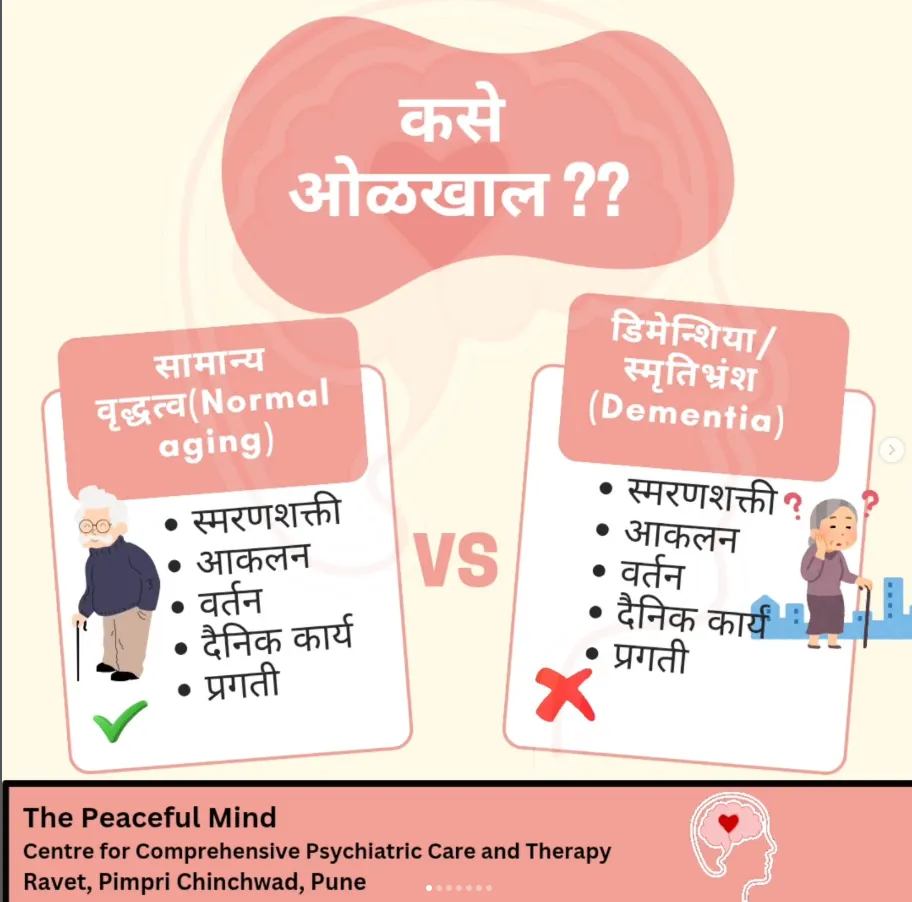
When people hear “dementia”, they usually think of memory loss in old age. Frontotemporal dementia (FTD) is different. It affects the frontal and temporal lobes of the brain — the areas responsible for personality, behaviour, judgement, empathy and language. Memory may remain relatively intact in the early stages.
FTD often begins earlier than Alzheimer’s disease, commonly between the ages of 45 and 65. Because the first changes are in behaviour, it is frequently mistaken for depression, a “mid-life crisis”, relationship problems or another psychiatric illness.
Early signs families may notice
- Loss of social tact — saying or doing inappropriate things, out of character
- Reduced empathy or concern for others’ feelings
- Apathy and loss of motivation, often mistaken for depression
- Impulsive behaviour, such as overspending or poor financial decisions
- New compulsive or repetitive behaviours
- Changes in eating habits — craving sweets, overeating or putting non-food items in the mouth
- Neglect of personal hygiene
- In some forms, difficulty finding words, understanding speech or naming objects
Why early recognition matters
There is currently no cure for FTD, but a correct diagnosis brings clarity and allows the right support. Medicines can help with some behavioural symptoms, and careful planning around work, finances, driving and legal matters becomes possible while the person can still take part in decisions.
Assessment usually involves a detailed history from family, thinking and behaviour tests, and brain imaging. A psychiatrist often works with a neurologist in reaching the diagnosis.
Supporting the family
Caring for someone whose personality has changed can be emotionally painful. Families may feel hurt, embarrassed or confused. Understanding that these behaviours come from the illness — not from the person’s choice — can ease some of that pain. Caregivers deserve support for their own well-being too.
मराठीत थोडक्यात
फ्रंटोटेम्पोरल डिमेन्शियामध्ये सुरुवातीला स्मरणशक्ती फारशी बिघडत नाही, पण स्वभाव आणि वर्तणुकीत बदल दिसतात — जसे की इतरांच्या भावनांची पर्वा न करणे, अयोग्य बोलणे, कोणत्याही गोष्टीत रस न वाटणे, पैसे उधळणे, गोड खाण्याची अचानक आवड किंवा स्वच्छतेकडे दुर्लक्ष. हा आजार अनेकदा ४५ ते ६५ वयात सुरू होतो आणि त्याला नैराश्य किंवा “मिड-लाइफ क्रायसिस” समजले जाते.
असे बदल जाणवल्यास मानसोपचार तज्ञ किंवा न्यूरोलॉजिस्टकडून तपासणी करून घ्या. योग्य निदानामुळे कुटुंबाला योग्य आधार आणि नियोजन करता येते.
Key takeaways
- FTD often starts with personality and behaviour changes, not memory loss.
- It commonly begins between 45 and 65 and is often mistaken for depression.
- Early diagnosis helps with symptom management and planning.
- Caregivers need support too.